
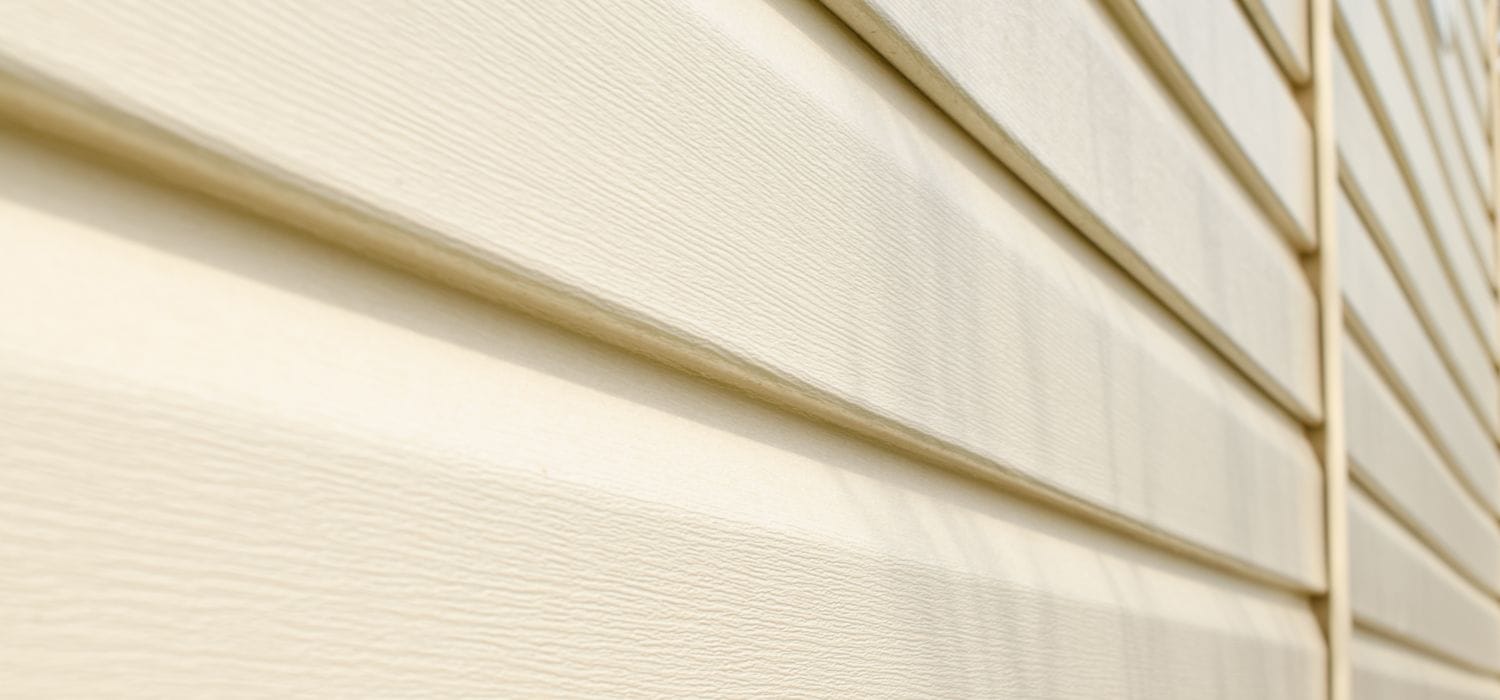
You’re looking at your house, and something feels a little off. The siding isn’t as bright as it used to be, and there’s a bit of green growth in the shady spots.
You’ve invested a lot in your home, so keeping it looking its best matters. Siding care is key—it protects your home from weather, moisture, and wear while keeping your exterior looking great.
With a few simple maintenance steps, you can preserve your home’s value and enjoy that fresh, cared-for look every time you pull into the driveway. This guide shares practical siding maintenance tips to help you stay on top of your exterior upkeep.
Why Your Siding Is a Bigger Deal Than You Think
Think of your siding as a shield. It protects the bones of your house from rain, snow, wind, and insects. Without quality, weather-resistant siding, you would face serious problems with water damage and pests trying to move in.
Siding also provides a crucial barrier against UV rays, which can degrade your home’s structural materials over time. Using durable materials for your siding prevents moisture from seeping into the wall cavities, which protects your insulation and prevents mold growth. A well-maintained home exterior even helps keep your home insulated.
This means your heating and cooling systems don’t have to work as hard. Keeping your siding in good shape can also help you save money on your energy bills.
Know Your Siding, Know Your Care Plan
Not all siding is created equal, and your maintenance plan should reflect that. The material on your home dictates how you should care for it, and it’s a lot simpler than it sounds.
Vinyl Siding
This is one of the most popular siding choices because it’s low-maintenance. A yearly wash with some mild soap and water usually does the trick. You can use a soft-bristled brush or cloth to get off any stubborn grime or mildew.
For tougher stains, a mixture of white vinegar and water can be very effective. Vinyl siding is also flexible, which helps it resist cracking and denting from hail or other minor impacts.
Fiber Cement Siding
Fiber cement is incredibly durable and resistant to fire, insects, and rot. Depending on its age and how much sun it gets, it might need new paint or caulk every 5–15 years. This helps keep its protective seal strong.
A brand like James Hardie is known for its longevity, but you should still inspect the caulked joints around windows and corners annually. These areas are the most common points of failure where moisture can get in.
Wood Siding
Wood siding looks beautiful, but it needs more attention than other types. You’ll have to inspect it regularly for any signs of moisture damage, like discoloration or softness. It also needs to be sealed, stained, or painted periodically to protect it from the elements.
Be on the lookout for signs of termites or carpenter ants, which can cause significant damage. Keeping wood siding in good condition preserves its natural charm and structural integrity.
Your Annual Cleaning Checklist
A yearly cleaning is one of the best things you can do for your siding. This simple task removes all the dirt, dust, and mildew that builds up over time. It’s easiest to tackle this in the spring after winter is over.
You don’t need anything fancy for this job. A garden hose, a soft brush, and a bucket of soapy water will work perfectly. Start washing from the bottom and work your way up to avoid streaks, then rinse everything off thoroughly.
Be careful with pressure washers. Using too much force can crack siding, damage the finish, or push water behind panels, leading to bigger problems. If you do use one, use a wide fan tip, keep the pressure low, and spray from at least a foot away, never pointing the stream upwards.
Some Simple Siding Maintenance Tips and Tricks
Once you’ve got your cleaning routine down, a few extra steps can make a big difference. Think of this as a quick health checkup for your home’s exterior. You’ll be glad you did it.
Hunt for Damage While You Wash
Your annual cleaning is the perfect time to give your siding a close inspection. As you’re washing, keep an eye out for anything that doesn’t look right. You’re looking for things like:
- Any pieces that look loose or have gone missing.
- Cracks, chips, or warped panels.
- Fading color, which is often a sign of sun damage.
- Gaps around windows, doors, or where the siding meets the roof.
- Peeling paint or failing caulk on fiber cement or wood siding.
- Signs of insects trying to make a home in a crevice.
Don’t Put Off Siding Repairs
If you do find a problem, fix it as soon as you can. It might seem like a small cosmetic issue, but even a tiny crack can let water in. Once water gets behind your siding, it can cause wood rot, mold, and damage your home’s insulation.
What starts as minor siding repairs can quickly turn into a major, expensive project. Water damage within the walls is often invisible until it becomes a serious structural issue. For anything beyond a simple caulk touch-up, calling a siding company is often the best move.
A local siding contractor will have the right tools and expertise to fix the problem correctly. They can make sure the repair integrates seamlessly with your existing siding.
Tame Your Landscaping
Your shrubs and trees look great, but they can be rough on your siding. Branches rubbing against the house can scrape off the finish or protective coating. Vines can trap moisture against the wall and cause mildew to grow.
Try to keep all your plants trimmed back at least a foot from your house. This simple step helps air circulate and keeps the siding dry. It also makes it much easier for you to inspect your siding for any issues.
Choosing Siding for the Long Haul
Sometimes, a repair isn’t enough, and you have to think about a full siding replacement. When that time comes, the quality of the product you choose really matters. Going with a trusted brand can save you headaches later on.
Durable materials from brands like James Hardie, CertainTeed, or even engineered wood options like LP SmartSide are built to high standards. Many of these are American-made products that stand up better to harsh weather and come with better warranties. Proper siding installation by a professional is just as important as the material itself for a long-lasting result.
Final Thoughts
Your home’s siding works hard to protect you and your family. With just a little bit of regular care, it can do its job for decades. This routine exterior maintenance is a small price to pay for peace of mind.
Following these siding maintenance tips will help you boost your home’s curb appeal and save on energy costs. Most importantly, it will protect your biggest investment from the elements for years to come.