You’ve put a lot of work into making your house a home. It’s where your family gathers and memories are made. The thought of a fire can be terrifying, and protecting your home from that threat is a top priority.
One of the most effective ways to guard your home against a blaze is by choosing a high-quality fire-resistant siding for your installation. This exterior layer acts as a primary shield, giving you crucial protection when it matters most. Making the right siding choice for your home in Austin, TX, or a surrounding community can make all the difference.
Why Is Fire-Resistant Siding So Important?
You might think wildfires are a distant problem, but with the effects of climate change, the risk is growing for many communities. Dry weather and high winds can turn a small spark into a major threat in minutes. These conditions create scenarios where flying embers, not just direct flames, pose the greatest danger to homes.
The U.S. Fire Administration notes that thousands of homes are threatened by wildfires each year. We all remember the 2011 Steiner Ranch fire in Texas, which showed just how fast wildfire exposure can devastate a neighborhood. Choosing fire-resistant siding materials is a key step to protecting homes in these wildfire-prone areas.
It’s not just wildfires, either, as house fires often start from common issues like faulty wiring or a kitchen mishap. A protective outer layer can slow a fire’s spread, increasing building resiliency. This gives you and your family precious time to get to safety.
What Makes Siding Fire-Resistant?
The secret to a siding’s fire-resistant performance is in the material composition. Some siding materials simply can’t stand up to flames. Combustible siding, such as natural wood, easily acts as fuel for a fire, accelerating its growth.
Other materials have different weaknesses. For instance, vinyl siding melts at high heat, exposing the structure underneath. Truly fire-resistant siding is made from noncombustible materials, meaning it won’t ignite when exposed to a direct flame. They have a low flame spread rating and create a protective barrier around your home’s structure.
Materials like brick, stone, stucco, and fiber cement are excellent siding options, so they won’t contribute to a fire’s intensity. This characteristic can be the deciding factor in whether your home survives an event.
A Closer Look at the Best Fire-Resistant Siding Options
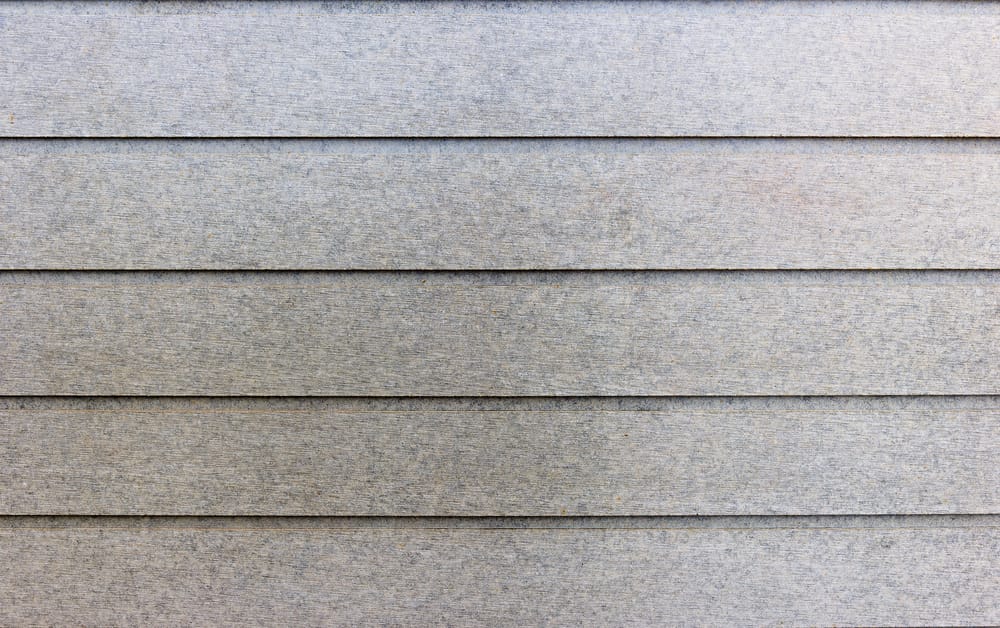
For many homeowners, fire-resistant fiber cement siding is the top choice. It delivers incredible fire protection without sacrificing curb appeal for any architectural style. This siding option balances aesthetics, safety, and durability.
A brand like James Hardie makes its siding from cement, sand, and cellulose fibers. This mix creates an incredibly tough and noncombustible siding product. It has earned a Class A fire rating, which is the highest level of fire resistance for building materials.
Nichiha brand products enhance building resiliency with similar fiber cement technology. Nichiha cladding products come in various styles, from traditional lap siding and plank siding to detailed shake siding. This fiber cement offer provides superior durability against fire, moisture, and pests, making it an excellent investment.
How Do Different Siding Materials Compare?
It can be tough to sort through all the fire-resistant siding options. Every siding type has its benefits and drawbacks. But for fire safety, some choices are clearly superior.
A solid wood or wood panel exterior might look beautiful, but it requires extensive chemical treatment to achieve any level of fire resistance, and it’s still fundamentally a combustible siding. Vinyl is popular for its low cost, but the fact that it melts and can release harmful fumes makes it a poor choice for safety. Here’s a quick breakdown of how common siding materials stack up.
| Siding Material | Fire Resistance | Key Weakness |
|---|---|---|
| Fiber Cement | Excellent (Noncombustible) | Requires professional installation. |
| Vinyl | Poor (Melts easily) | Can release toxic fumes when burned. |
| Wood | Very Poor (Combustible) | Acts as fuel for a fire. |
| Brick/Stone | Excellent (Noncombustible) | Can be very expensive. |
| Metal Siding | Excellent (Noncombustible) | Can dent and may be costly. |
As you can see, both vinyl and wood siding pose a real risk in a fire.
Exploring Metal and Stucco Siding
Beyond fiber cement, other fire-resistant options include metal and stucco siding. Steel siding is exceptionally durable and noncombustible, offering a high level of protection against flames. Likewise, aluminum siding won’t burn, though it may melt under extreme heat, and it’s prone to denting.
Stucco siding, made from cement, sand, and lime, creates a hard, fire-resistant shell over your home. It provides excellent insulation and durability against fire. Both metal and stucco are strong contenders for homeowners focused on maximizing their home’s defense against fire.
Why Professional Installation Is a Must
You can choose the best siding in the world, but if it isn’t installed correctly, you won’t get the protection you paid for. Proper installation is critical for fire safety. The primary goal is to eliminate gaps where embers entering the wall cavity could ignite the home’s framing.
An expert installer knows how to handle the material and follows the manufacturer’s specific guidelines. This attention to detail ensures that every seam is sealed and every board is secure, contributing to the overall durability of the siding. The right installation also helps make the exterior siding virtually maintenance-free.
Hiring a certified siding contractor also protects your warranty. Many manufacturers offer long warranties, but they’re often valid only with a certified installation. This is a small step that protects your big investment for years to come.
Final Thoughts
Protecting your home from fire isn’t something to put off. By choosing a durable, noncombustible material, you create a powerful first line of defense. Investing in high-quality fire-resistant siding is one of the smartest decisions you can make for your property and your family’s safety.